How to Get Your 4–7 Year Old Excited About Reading (Without Forcing It)
How to Get Your 4–7 Year Old Excited About Reading (Without Forcing It)
It’s that quiet hope every parent has: watching your little one curl up with a book, eyes wide, totally lost in the story. But for many 4–7 year olds, reading feels like a chore—or worse, something to avoid. The good news? You don’t have to force it. In fact, pushing too hard often backfires.
Kids this age are curious explorers, full of energy and big imaginations. When reading feels playful, connected, and tied to what they already love, excitement grows naturally. No rewards charts, no threats—just gentle ways to spark joy and make books feel like friends.
Here are practical, pressure-free ideas that real families use to help preschoolers and early elementary kids fall in love with reading. Start small, follow your child’s lead, and watch the magic happen.
Why Forcing It Backfires (And What Works Instead)
At 4–7, kids are building independence and emotional skills. If reading feels like “work” or a demand, their natural curiosity shuts down. But when it’s fun, social, and choice-driven, they seek it out.
The key: Make reading about connection, play, and discovery—not performance. Model it yourself (let them catch you reading happily), follow their interests, and keep sessions short and joyful. Over time, they start choosing books on their own.
8 Gentle Ways to Spark a Love of Reading
These tips draw from what works for thousands of families—no pressure, just invitation.
-
Let Them Choose (Even If It’s the Same Book 100 Times)
Hand over the power: “Which one today?” Whether it’s dinosaurs, princesses, trucks, or the same favorite over and over, choice makes them feel in control. Rereading builds confidence and vocabulary—kids love predicting what comes next. -
Read Aloud with Silly Voices and Drama
Use funny accents, whisper for secrets, roar for monsters. Make the story come alive! Sit close, cuddle up, and let them see how much fun you’re having. This turns reading into playtime they crave. -
Make It Interactive and Hands-On
Ask open questions: “What do you think happens next?” “How does the bunny feel?” Point to pictures, act out scenes, or tap along if the book has gentle interactions. Kids stay engaged when they’re part of the adventure, not just listening. -
Build a Cozy Reading Spot
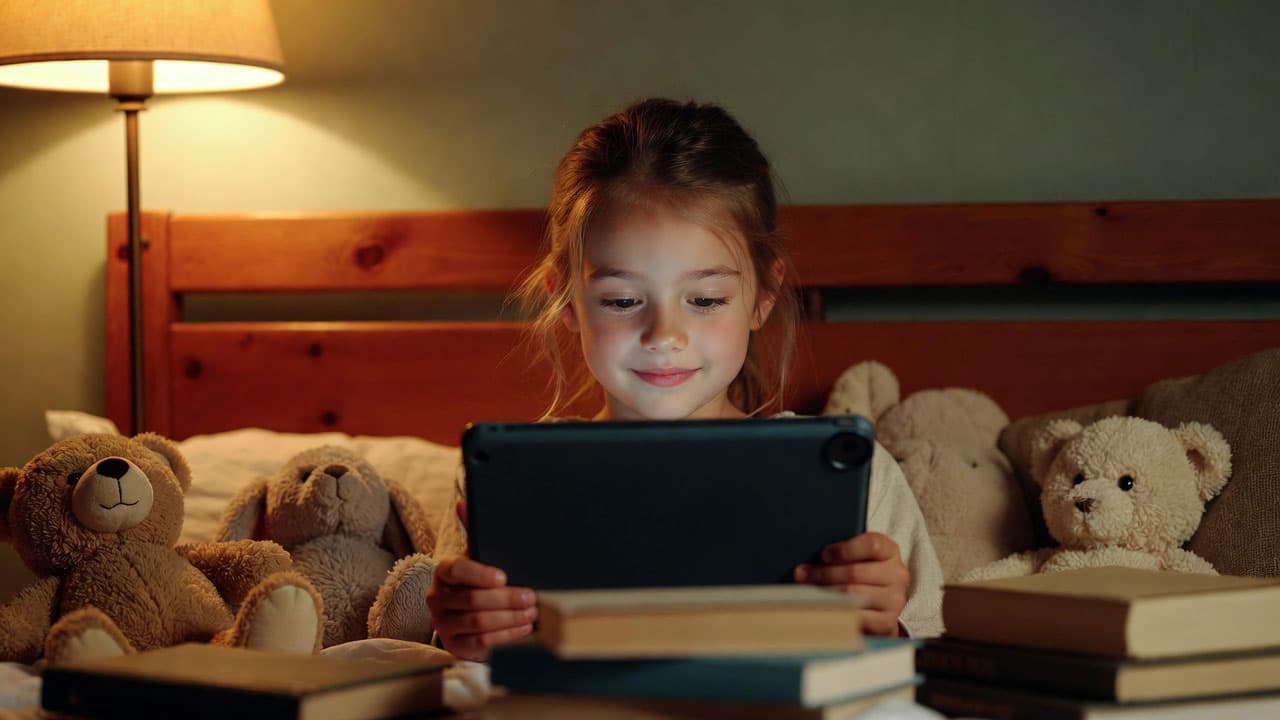
Create a special nook: pillows, blanket fort, soft lamp. Add a basket of books they can reach. When reading feels like a cozy escape (maybe with a snack or stuffed animal buddy), they’ll gravitate there naturally. -
Tie Reading to Their Passions
Love animals? Find books about pets or farms. Into superheroes? Seek adventure tales. Connect books to real life—read about trucks before a construction site visit, or space stories before stargazing. Relevance makes reading exciting. -
Read Everywhere, Not Just Bedtime
Slip books into daily moments: car rides, waiting rooms, bath time (waterproof ones!). Short bursts keep it light. Seeing books as part of fun routines normalizes them without pressure. -
Model Reading Joy (Without Saying a Word)
Let them catch you lost in a magazine, novel, or cookbook. Talk casually about what you’re reading: “This part made me laugh!” Kids imitate what they see—your enthusiasm is contagious. -
Celebrate Small Wins with Connection
No stickers or prizes needed—just share the joy: “That was so fun reading with you!” or “I love how you noticed the hidden bird!” Praise effort and feelings, not “good job reading.” It builds intrinsic motivation.
A Few Extra Ideas When They’re Reluctant
- Try wordless picture books—they “read” them confidently by telling the story themselves.
- Mix in funny poetry, comics, or magazines—anything counts as reading.
- Read to a pet, stuffed animal, or sibling—makes it social and silly.
- If screens are part of life, gentle narrated interactive stories can bridge to books—soft voices and page turns feel like a cozy read-aloud.
You’re Already Doing the Most Important Part
Showing up with patience and love is what matters most. Some days they’ll devour stories; others they’ll want none. That’s normal. Keep the door open, follow their lead, and the excitement will come.
If you’re curious about softly narrated interactive stories (grandma-soft voice, gentle touches, empathy themes) as a fun entry point, a free 9-page sample can be a low-key way to test it—no commitment, just story time.
Try a free teaser here — sometimes that little spark is all it takes.
Here’s to tiny readers finding big joy in books. You’ve got this, love—one page at a time.
Shared gently from one parent who’s been there, at Ougalaxy
Recent Posts

How to Get Your Kid to Eat Broccoli (Without the Dinner-Table Battle)
Jun 25

Why More Parents Are Choosing One-Time Purchase Kids Stories in 2026
Feb 25

How a Soft Narrated Voice Helps Kids Relax and Love Story Time
Feb 19

The Real Difference: Interactive Stories vs Traditional Books for Ages 4–7
Feb 19

Why Interactive Stories Are the Best Way to Teach Empathy to Young Kids
Feb 19